Project Details

Project Image
Project Image
Project Image
Project Image

Coastal Opportunities and Agricultural Solutions to Tackle Salinity in Bangladesh (COASTS)

The project runs from 1 July 2020 to 31 December 2024 and covers the geographical areas of Khulna, Bagerhat, Barguna, and Patuakhali. With a focus on these key regions, Lal Teer aims to deliver sustainable agricultural solutions and drive community-based development, ensuring long-term benefits for the farming communities and stakeholders involved.

Key Objectives:

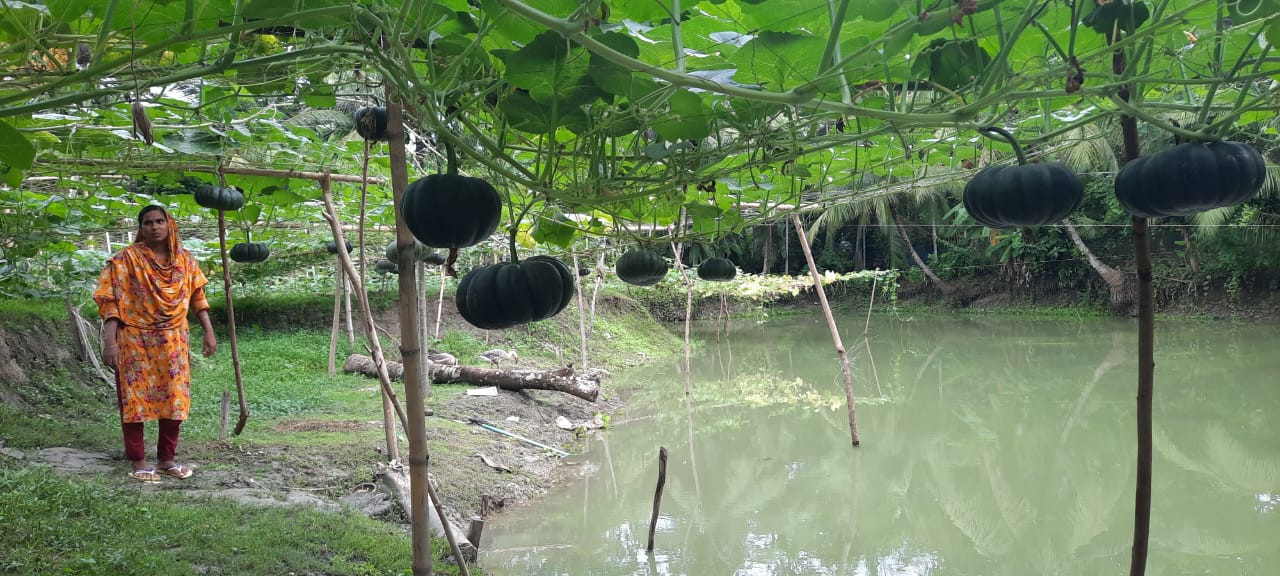
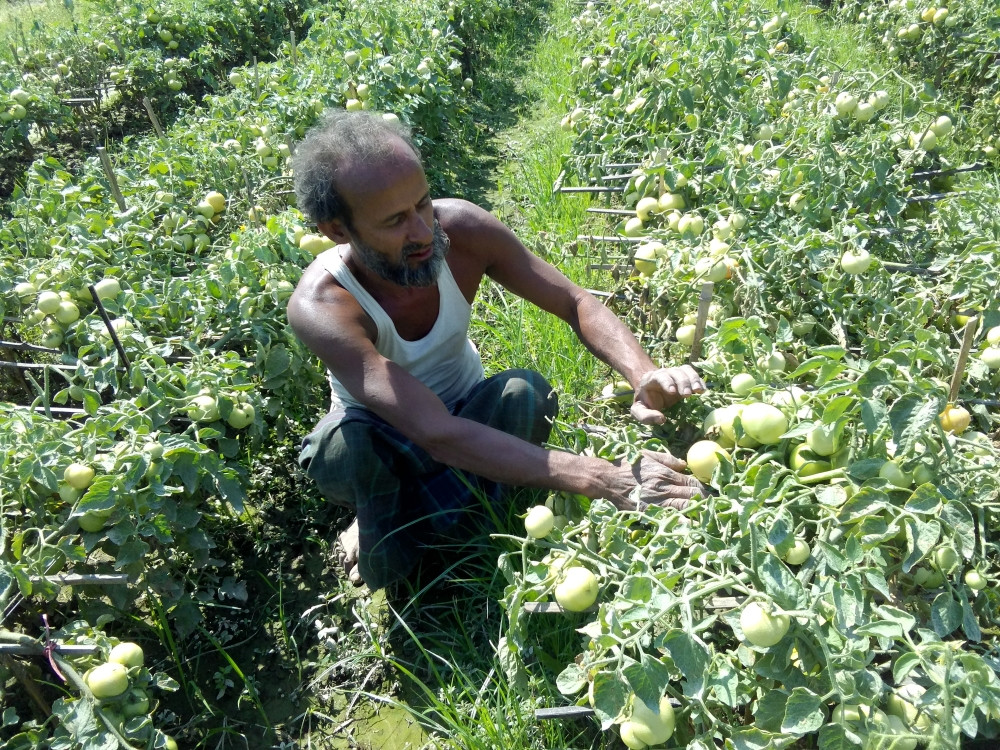
By 2024, sustainably utilize 5,000 hectares of coastal fallow land in Southern Bangladesh for diverse local food production and consumption through the introduction of saline farming technology.


Project Aims

The project runs from 1 July 2020 to 31 December 2024 and covers the geographical areas of Khulna, Bagerhat, Barguna, and Patuakhali. With a focus on these key regions, Lal Teer aims to deliver sustainable agricultural solutions and drive community-based development, ensuring long-term benefits for the farming communities and stakeholders involved.

Objectives

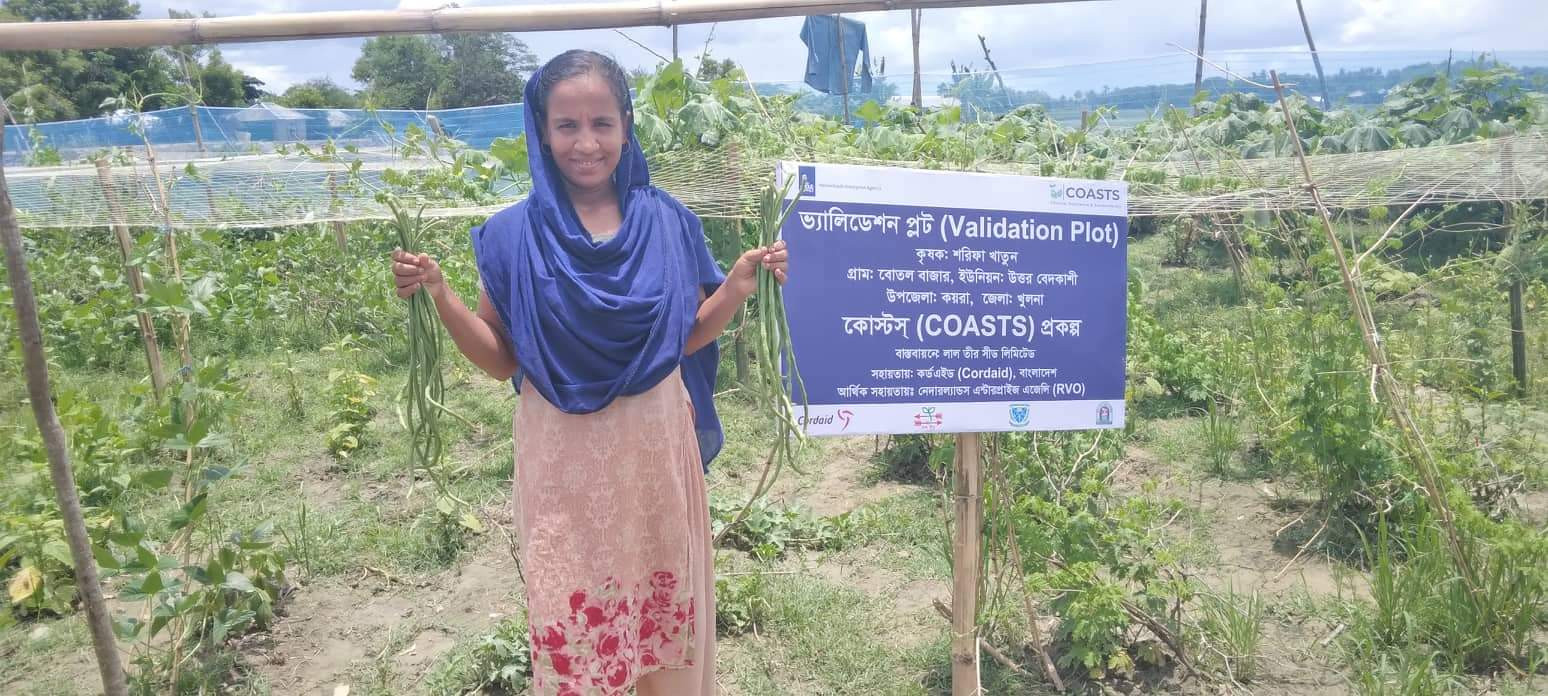
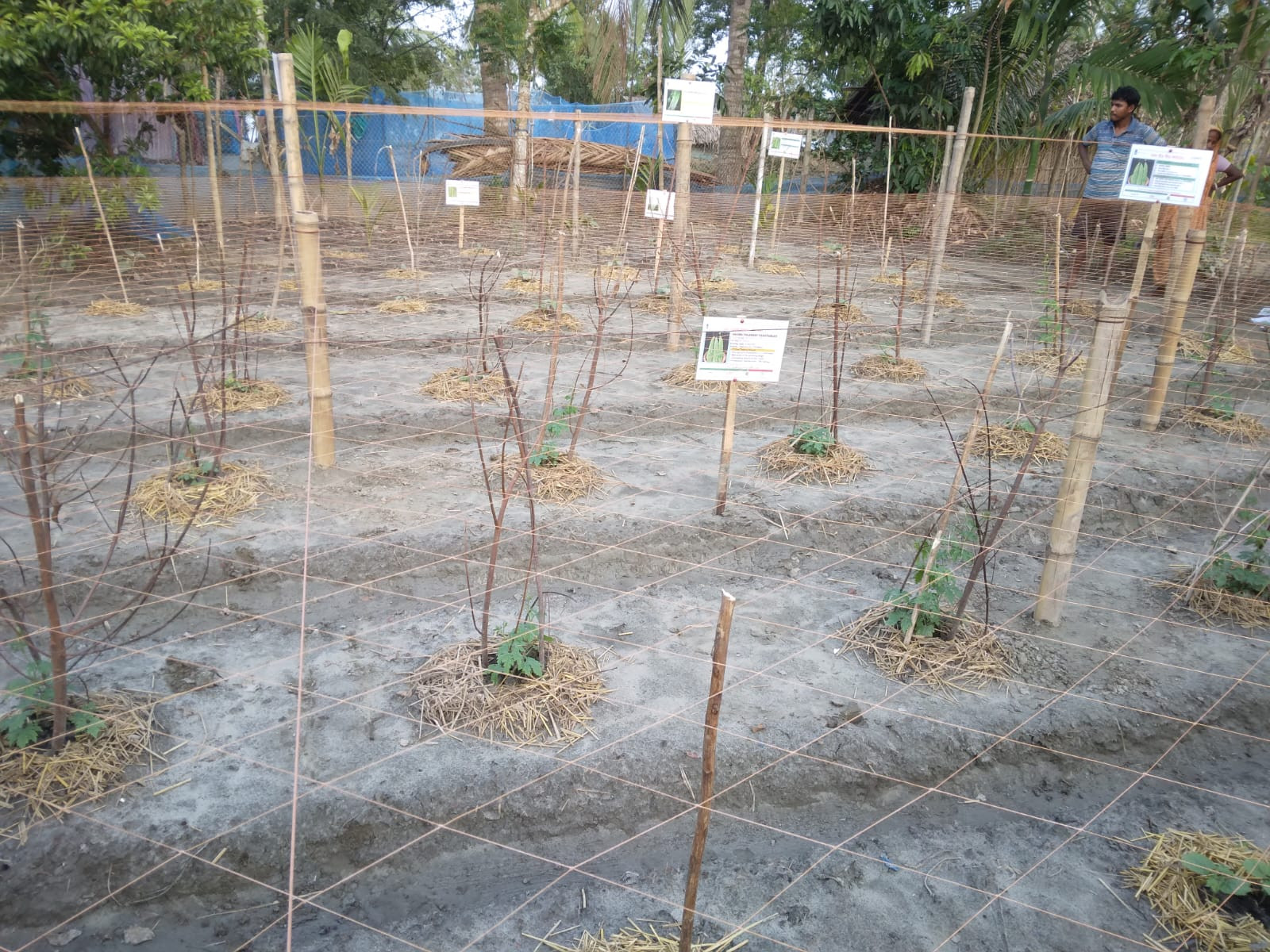
Establish and document validation plots for testing and demonstrating saline farming practices.,

Develop training materials and videos (e.g., farmer experience clips, cultivation technique videos, salinity test kit introductions).,

Create awareness campaigns for saline-tolerant seeds through demand generation activities.,

Train dealers, retailers, and sales teams to promote and support saline farming technologies.,

Conduct field days (FFD) and farmer field business activities (FBA) to engage and educate farmers.,

Utilize coastal drone footage to monitor and showcase the project's progress and impacts.,

Organize signing ceremonies and programs to highlight key milestones.,

Promote and distribute agro-machinery and storage solutions for farmers.

Project Aim Photo

Coastal Opportunities and Agricultural Solutions to Tackle Salinity in Bangladesh (COASTS)

Partnerships

Funding Agency: Netherlands Enterprise Agency (RVO) Lead Organizations: Cordaid, Lal Teer Seed Ltd., BAU (Bangladesh Agricultural University), SRDI (Soil Resources Development Institute)

Key Information Delivery

Program: Sustainable Development Goals Partnership (SDGP) Duration: 1 July 2020 – 31 December 2024 Geographical Coverage: Khulna, Bagerhat, Barguna, and Patuakhali Total Budget: EUR 2,158,097.00 Funding Agency: Netherlands Enterprise Agency (RVO) Lead Organizations: Cordaid, Lal Teer Seed Ltd., Bangladesh Agricultural University (BAU), and Soil Resources Development Institute (SRDI) Direct Beneficiaries: 10,000 farmers (50% women, 10% youth) Indirect Beneficiaries: 20,000 additional farmers Main Objective: Sustainably utilize 5,000 hectares of coastal fallow land through saline farming technologies to promote food security and income growth.

Key Highlights of Activities

✅ Gender-Inclusive Approach: 50% of direct beneficiaries are women, empowering female farmers in coastal regions. ✅ Youth Engagement: 10% of participants are young farmers, promoting generational sustainability in agriculture. ✅ Innovation in Practice: Introduced saline-tolerant seed varieties and organic soil enrichment techniques for climate adaptation. ✅ Collaborative Implementation: Partnership between international and national organizations ensures technical expertise and local impact. ✅ Sustainability Focus: Builds long-term resilience against salinity and climate change, contributing directly to SDGs 1, 2, 5, 13, and 15.

Key Achievements

Land Transformation: Converted 5,000 hectares of saline-prone fallow land into productive agricultural land. Farmer Empowerment: Reached 10,000 farmers, including 5,000 women and 1,000 youth, with climate-resilient and saline-tolerant farming techniques. Technology Adoption: Successfully introduced and validated saline-tolerant seed varieties and saline farming methods through field trials and demonstration plots. Capacity Building: Trained farmers, dealers, and sales teams through videos, field days (FFD), and Farmer Field Business Activities (FBA). Awareness & Promotion: Conducted extensive awareness campaigns, created training videos, and used drone monitoring to showcase project impacts. Economic Impact: Improved household income and productivity for participating farmers, ensuring better food security and sustainable livelihoods.