_1733140295.png)


_1733131691.jpg)
_1733131691.jpg)
_1733131691.jpg)
.png)
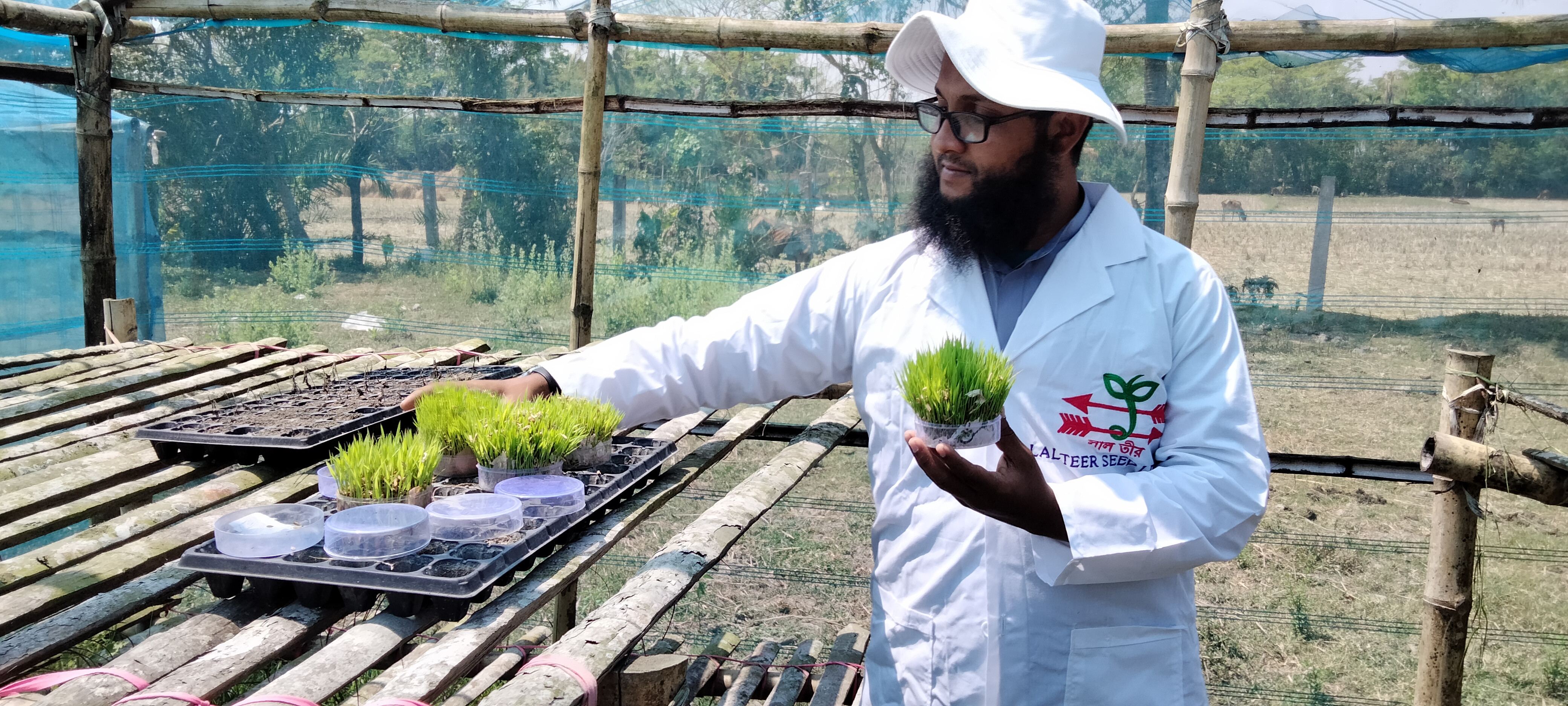


Agriculture is a key pillar of Bangladesh’s economy, with over 30% of cultivable land located in coastal regions. Around 1.05 million hectares of arable land are affected by salinity, making crop production difficult due to poor-quality irrigation water and delayed drainage. As a result, most lands remain fallow during the dry season, reducing yields and threatening food security.
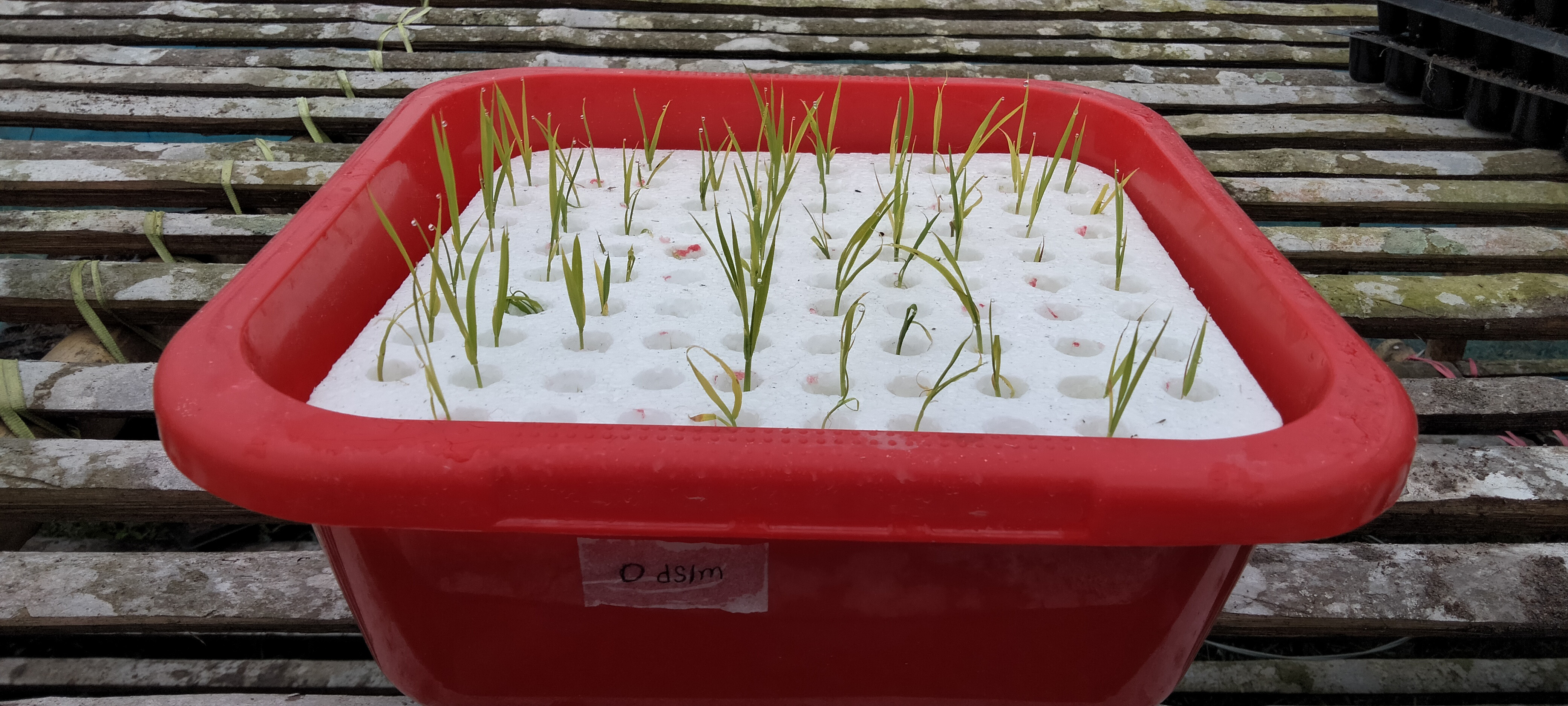
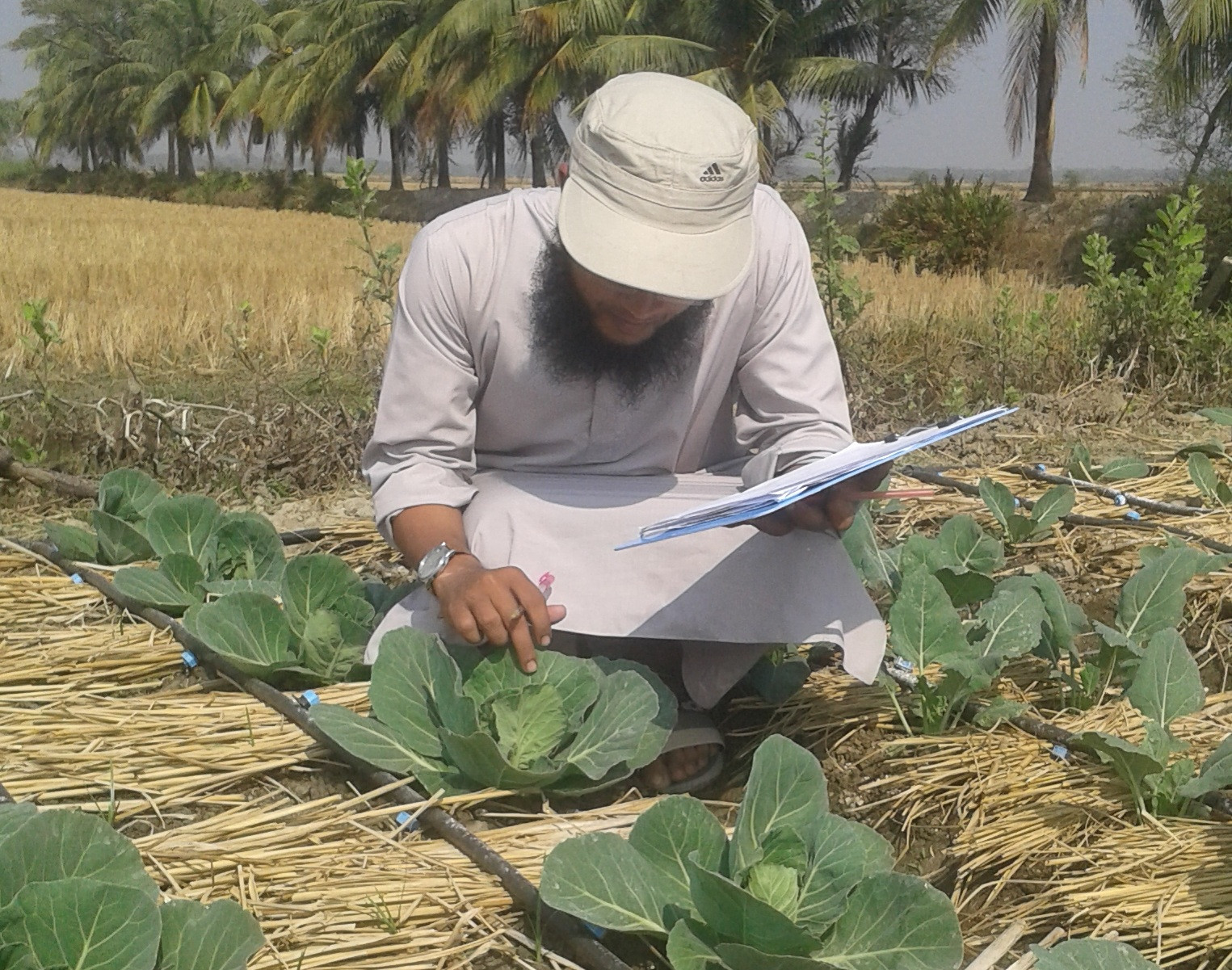
To address these challenges, Lal Teer Seed Limited initiated research on salinity-resilient vegetable varieties in collaboration with Salt Farm Texel, Netherlands, establishing a research station at Rampal, Bagerhat in 2018. The program focuses on developing salt-tolerant crops and identifying climate-resilient agricultural practices to support coastal farmers.
Goal:
Eliminate hunger in coastal regions and strengthen national food security.
Objectives:
1. Develop stress-tolerant crop varieties.
2. Identify and promote climate-resilient agro-technologies.
3. Disseminate improved practices and knowledge among farmers.
Key Achievements:
1. Released “Lal Teer Chinabadam-1”, a salt-tolerant groundnut variety.
2. Recommended a salinity-tolerant wheat line (OA62) under approval.
3. Introduced “Bohan” red beet and “Korist” kohlrabi, both salt-tolerant.
4. Screened multiple vegetable varieties across varying salinity levels.
Future Plan:
By 2030, Lal Teer aims to develop at least one salinity-tolerant variety for every major crop in Bangladesh and increase coastal cropping intensity to over 200%.
_1732881210.jpeg)